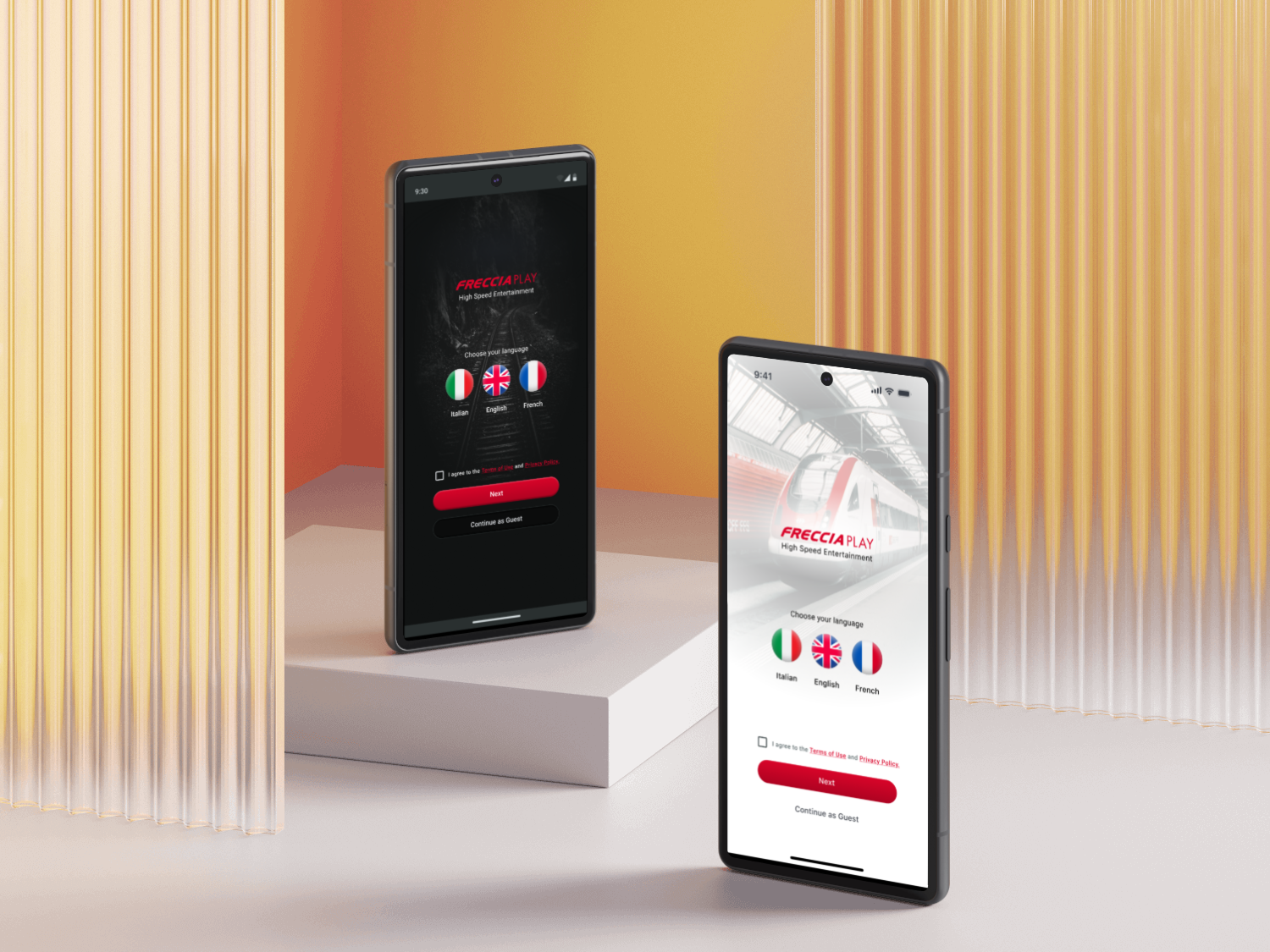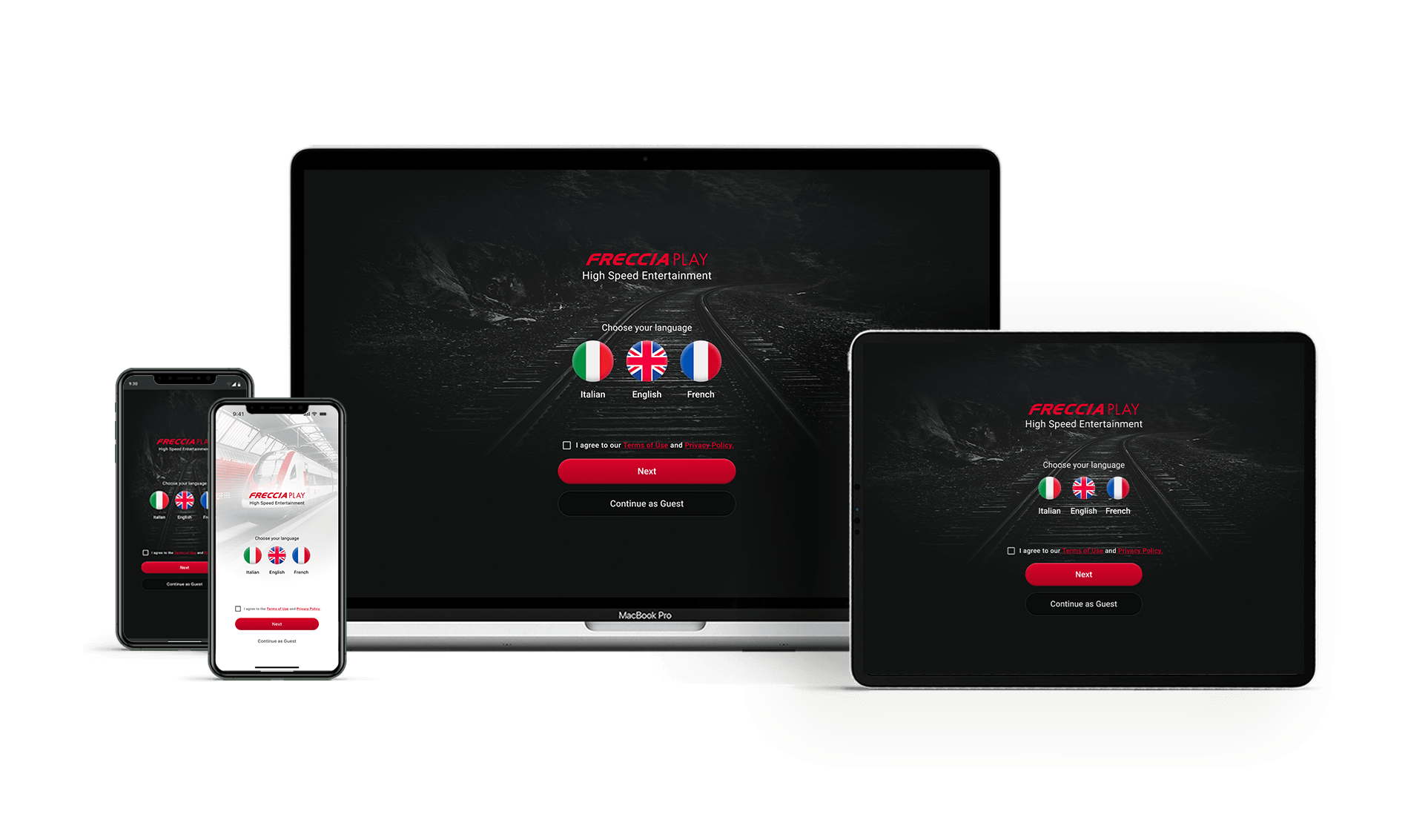
Freccia Play
A service designed for Train Passengers
Role: UX/UI Designer
Date: May 2025 - Nov 2025
Design Tool: Figma, FigmaJam
Description: A digital entertainment platform for passengers traveling on Trenitalia trains to transform travel time into a more engaging and valuable experience by providing passengers with easy access to entertainment, learning resources, and travel-related content through a single onboard application.
Objective
Train journeys often involve long periods of idle time. The objective of the project was to create a user-friendly platform that would help passengers stay entertained during their journey, discover educational and professional development content, access travel-related information and local recommendations, and enjoy a seamless digital experience regardless of travel duration. The platform was designed to cater to a wide range of passengers, including students, commuters, business travelers, tourists, and families.
Challenge
The platform needed to accommodate a large variety of content while remaining simple and intuitive to navigate.
Key challenges included:
Organizing multiple content categories without overwhelming users
Supporting different passenger needs and interests
Enabling quick content discovery during short journeys
Creating a visually engaging interface suitable for diverse age groups
Ensuring consistency across all sections of the platform
Research & Insights
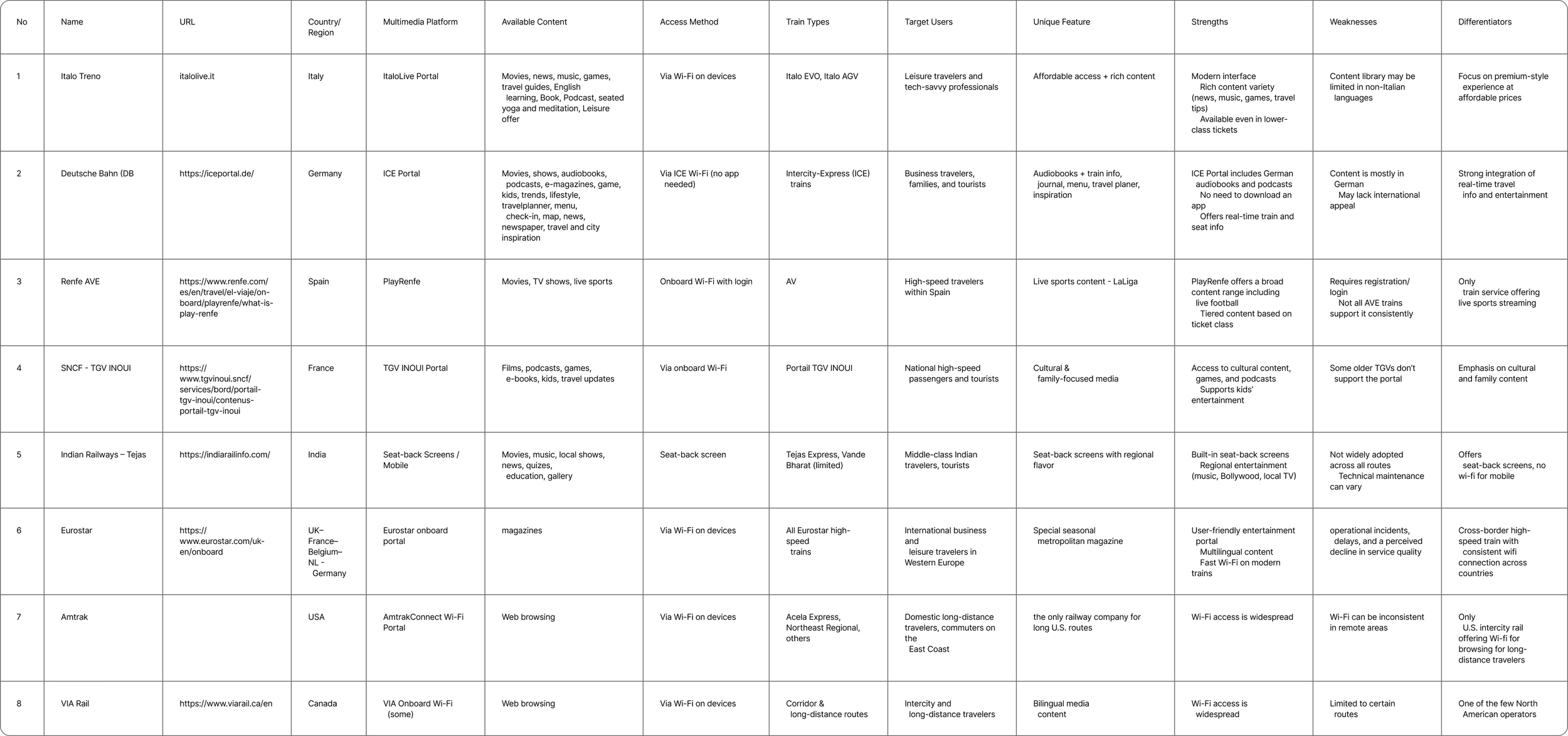
To understand passenger needs, I analyzed different travel scenarios and user behaviors during train journeys.
Some key insights included:
Passengers often switch between entertainment and productivity activities during travel.
Travelers prefer quick access to content without lengthy onboarding processes.
Content recommendations can significantly improve engagement.
Tourists appreciate contextual information related to destinations and nearby cities.
These insights guided the content structure and navigation strategy.
Persona
User Journey
The user journey shows the step the users take in order to use the service and achieve their goal. It includes the steps they take before using the service, while using the service and after that.
user flow
Solution
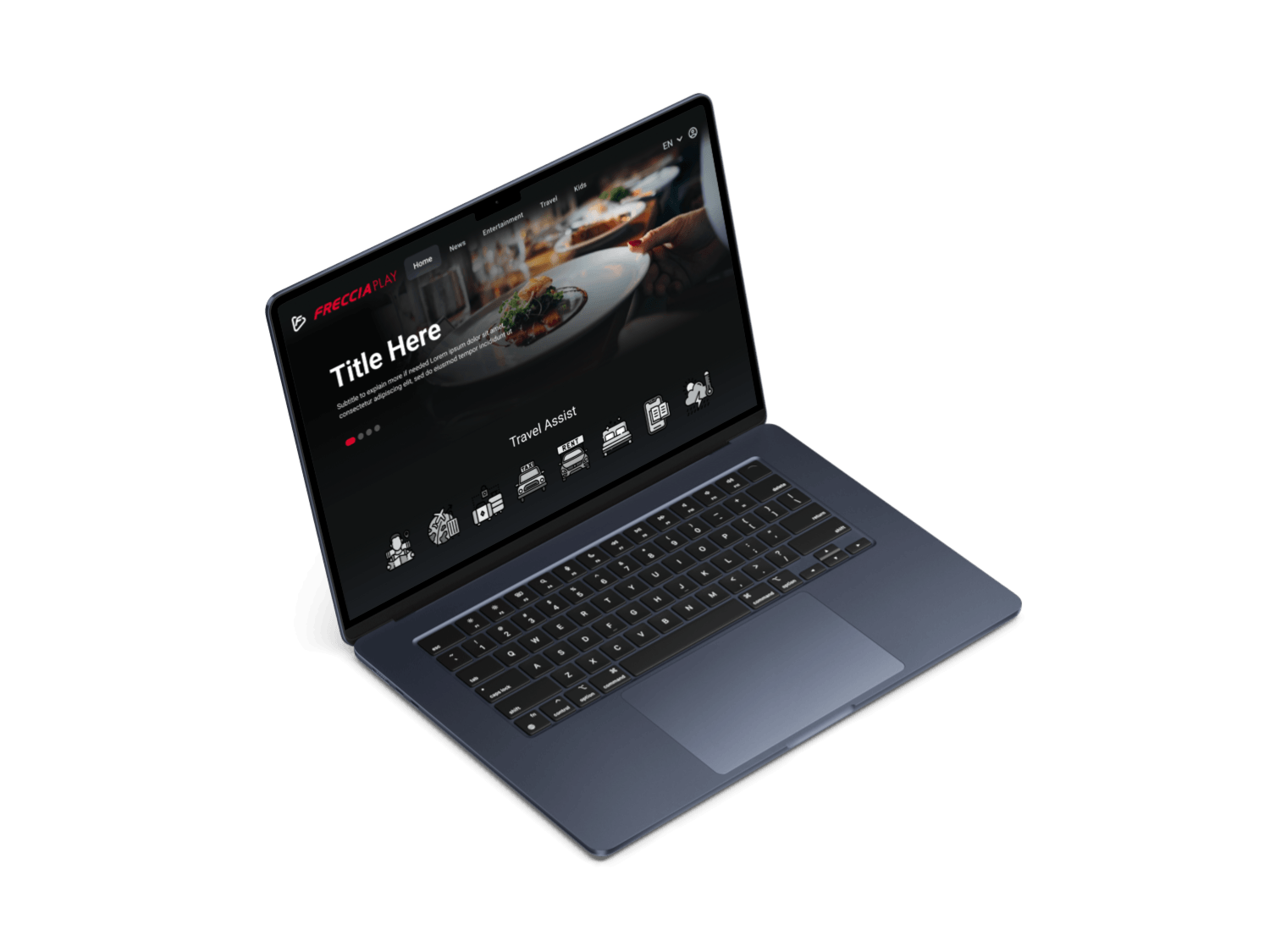
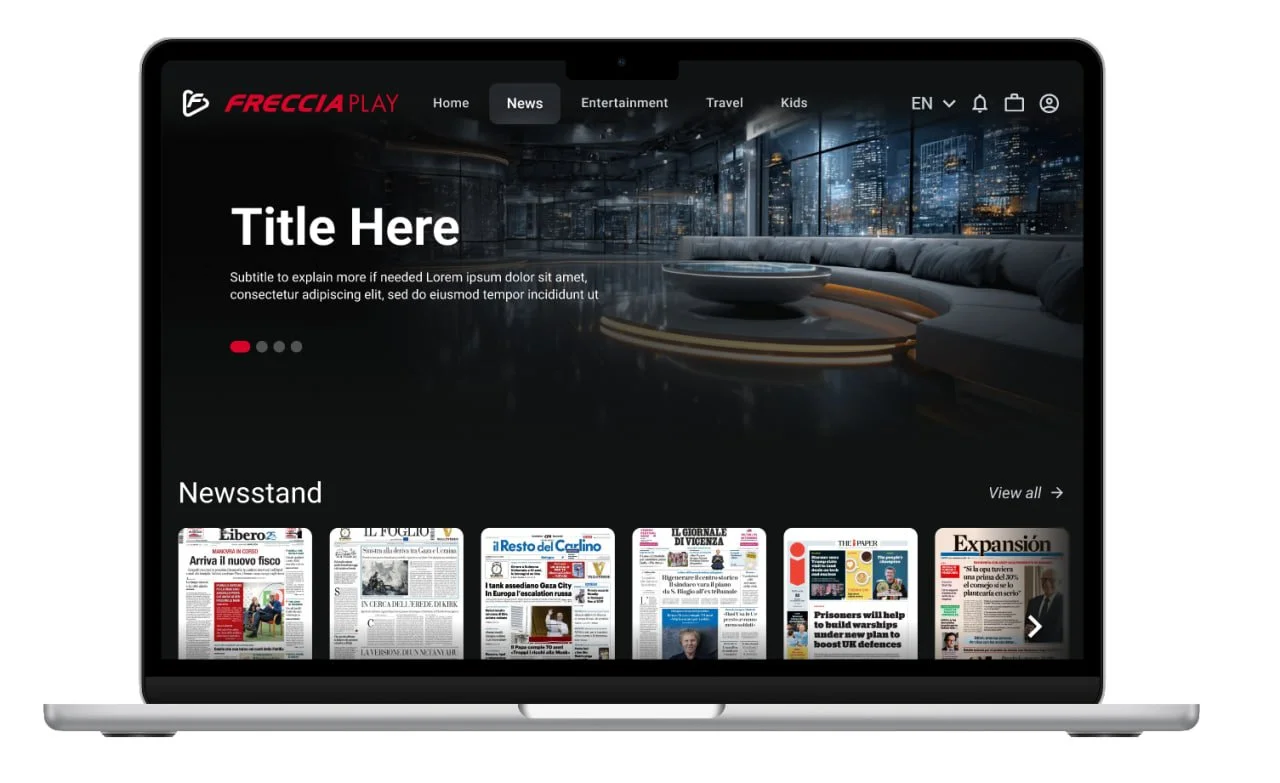
The application included different features to allow passengers to choose between relaxation, entertainment, exploration, and self-improvement based on their preferences and travel context:
Movies and TV Content
Music and Audio Streaming
Casual Games
Digital Books and Reading Content
PodcastsNews and Current Events
Learning and Educational Content
Professional Skill Development Resources
City Guides and Destination Information
Personalized Recommendations
Design Highlights
Personalized Experience
The platform offered personalized content suggestions based on user interests, helping passengers quickly discover relevant movies, music, podcasts, and educational resources.
Multi-Purpose Content Ecosystem
Unlike traditional entertainment platforms, the solution combined leisure, learning, and travel information within a single interface.
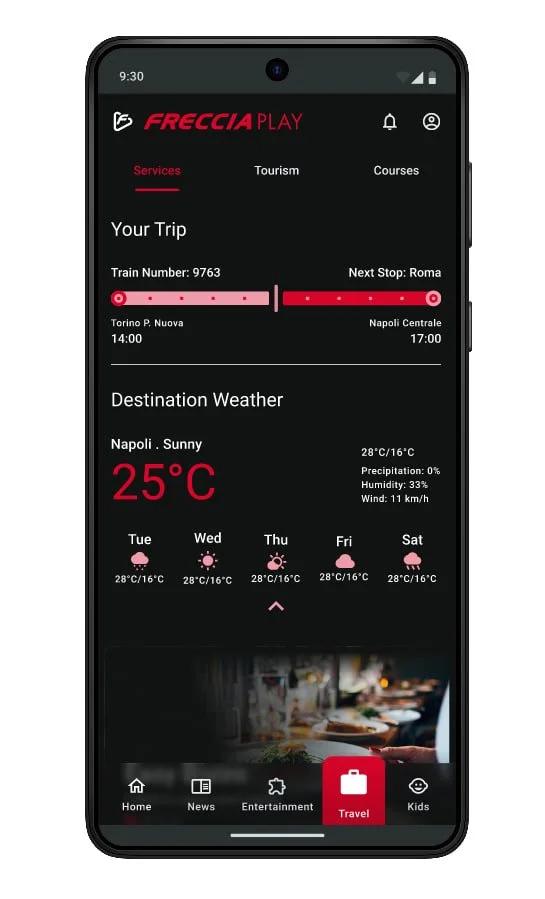
Travel Context Integration
Passengers could access destination-related content, including city information, cultural insights, and recommendations, making the travel experience more immersive.
Accessible Navigation
The interface was designed to minimize effort and maximize discoverability, ensuring that users could access content within a few interactions.
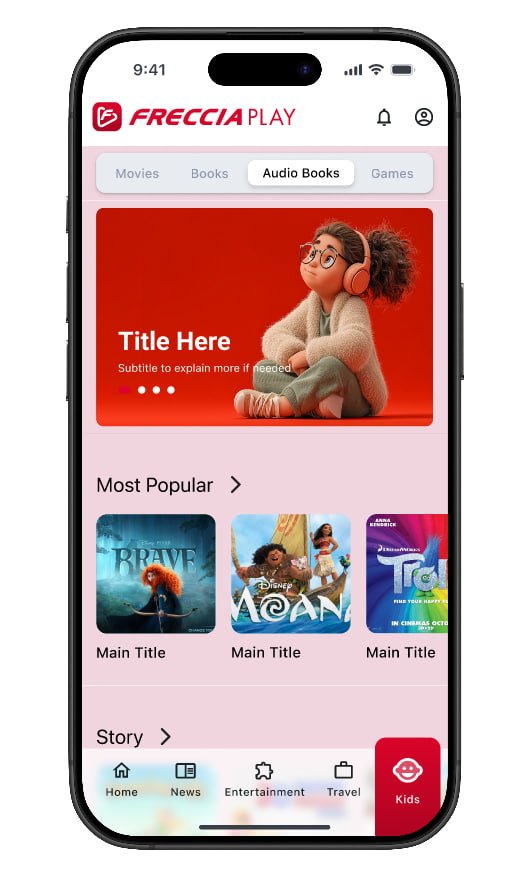
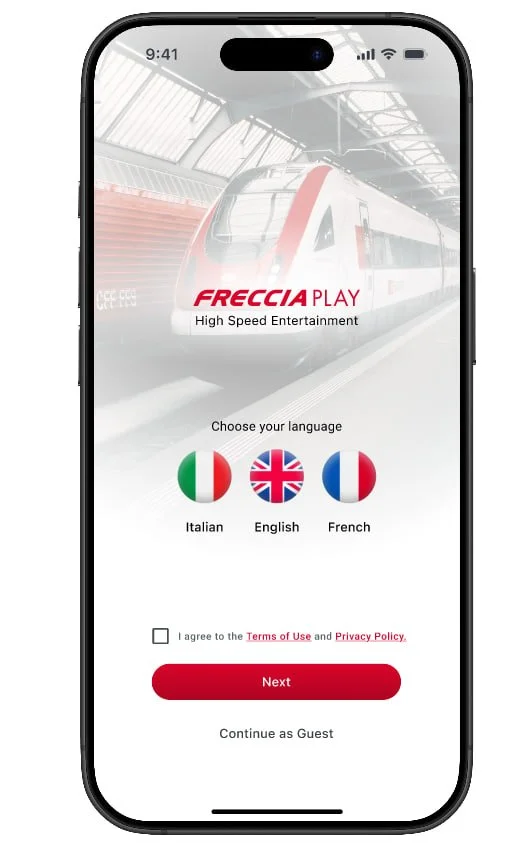
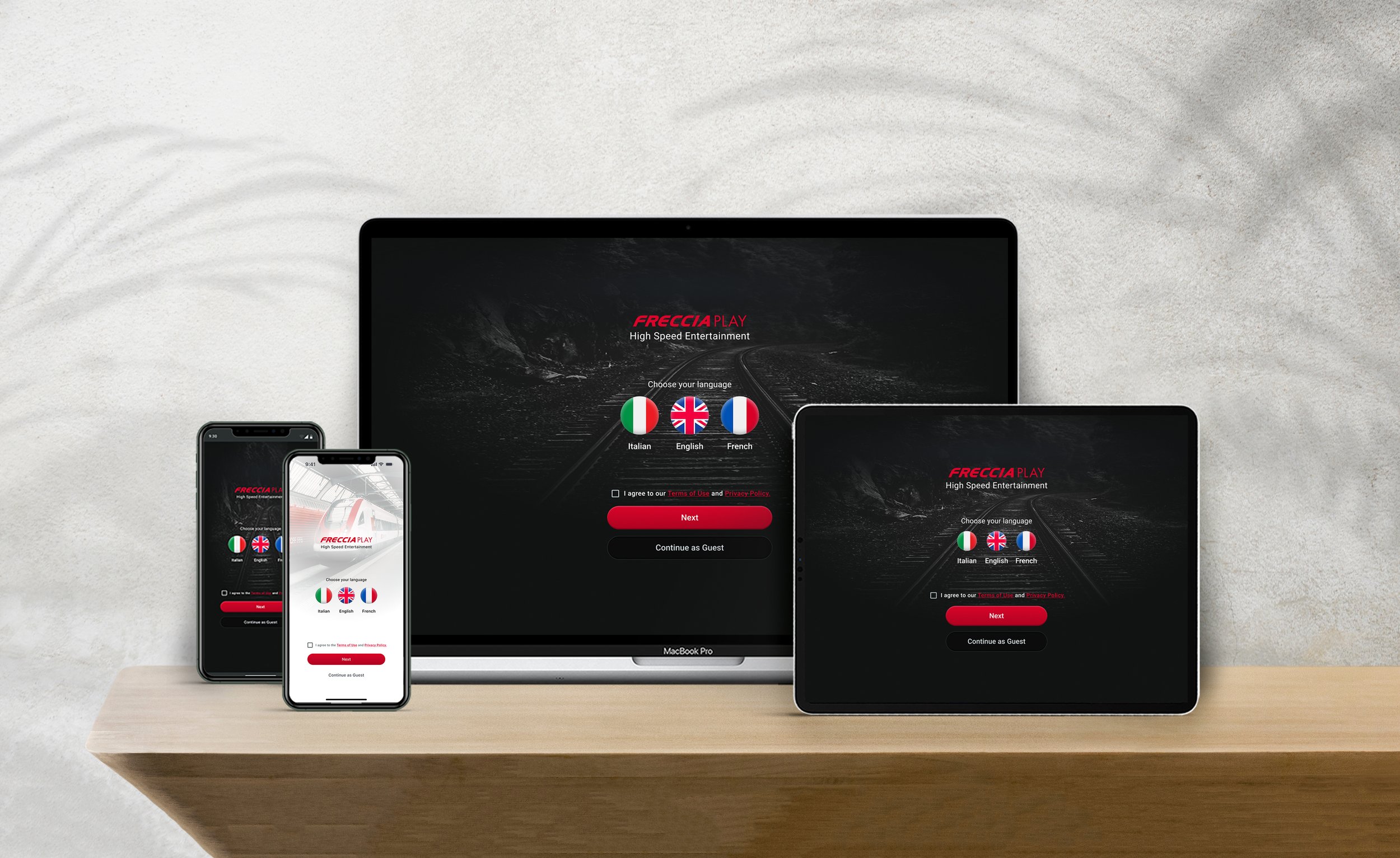
Mobile-first Approach
Most passengers use their phone on board
Visual and UX Considerations
Clear interface, large touch targets
Color palette
Accessible for all ages
Suitable for different needs
Ensuring simplicity without losing depth
Usability testing with real passengers
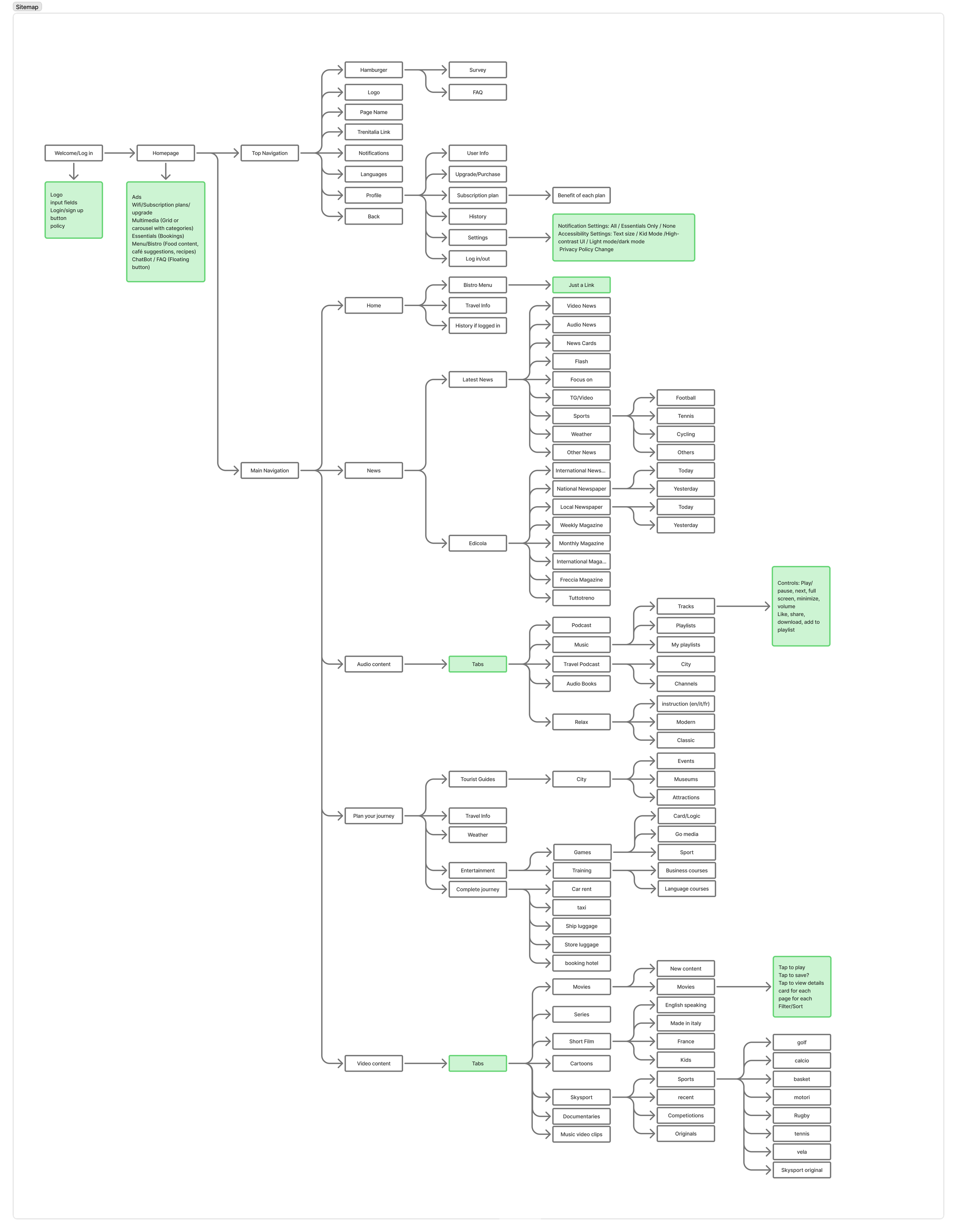
Information Architecture
One of the main design priorities was simplifying navigation despite the large volume of content.
The information architecture was organized around clear content categories and supported by:
Personalized recommendations
Search functionality
Featured content sections
Category-based browsing
Recently viewed content
Continue-watching experiences
This approach reduced cognitive load and helped users quickly find relevant content.
Outcome
The project demonstrated how digital services can enrich passenger experiences by transforming travel time into an opportunity for entertainment, learning, and exploration.
The final design delivered:
A structured and scalable content ecosystem
Intuitive navigation across multiple content types
A modern and engaging passenger experience
A flexible platform capable of supporting future content expansion